Where Managing Daily Life In America Usually Breaks in Real Life

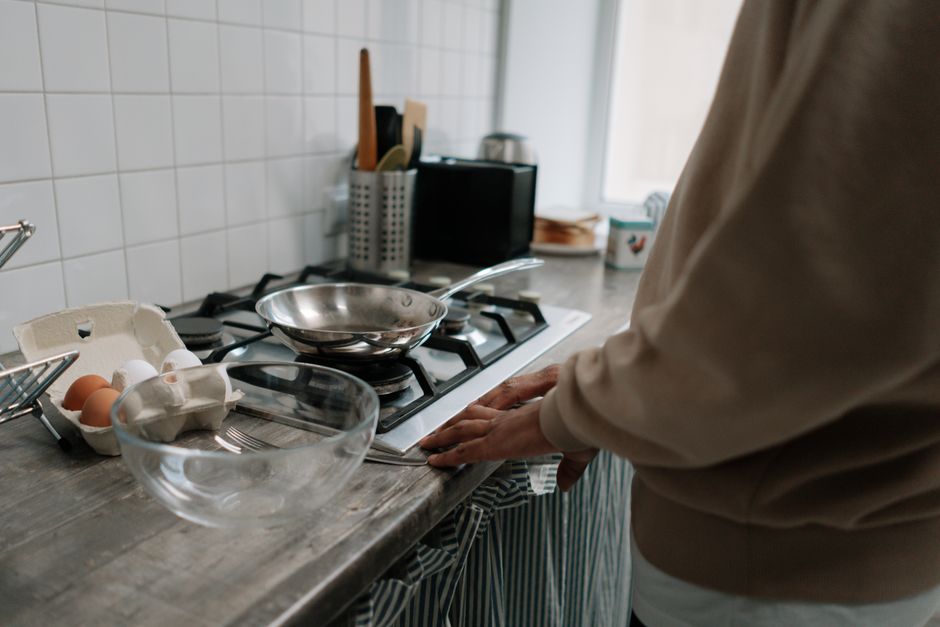
Standing at the kitchen counter during breakfast, the sight of a lunch container lingering in the sink catches my eye. It’s a small detail, but it’s one of those moments that sets the tone for the day. As I juggle pouring coffee and toasting bread, I’m reminded that this container should have been cleaned and put away last night. Instead, it’s a reminder of how easily small tasks can slip through the cracks of my evening routine, leaving me to navigate a cluttered space before I even step out the door.
With dirty dishes piled high, the counter feels less like a preparation area and more like a barrier. I glance at the clock, realizing that I’ve already lost precious minutes. The clothes I intended to lay out the night before are still crumpled on the chair, hidden from view. The friction of these overlooked steps creates a ripple effect, complicating what could have been a smooth morning. Each missed check, like the lunch container and the unprepared outfit, adds to a mounting sense of chaos, making it harder to reset for the day ahead.
The Morning Routine in Motion
The kitchen counter is a chaotic scene as I step into the space, ready to kick off another weekday morning. A pile of dirty dishes looms large, blocking my access to the toaster and coffee maker. The lunch container, a crucial part of my packing routine, is still soaking in the sink, a glaring reminder of last night’s oversight. Each of these elements adds a layer of friction that complicates my morning flow.
As I navigate this clutter, I realize the first step should have been a simple one: laying out my clothes the night before. Instead, they lie crumpled on the chair, out of sight and out of mind. I glance at the clock, and the seconds slip away as I attempt to clear a small space on the counter for my breakfast prep. I pull out a plate, but it’s hard to focus when the surrounding mess feels like a weight on my shoulders.
To regain some control, I decide to tackle the most visible object first: the lunch container. I rinse it quickly and set it on the counter, where I can see it. This small act of placing it out in the open serves as a mental cue for packing later. However, the underlying issue remains—the dirty dishes still clutter the counter, making it difficult to prepare anything without feeling overwhelmed. Each step feels like a negotiation with the chaos, and I realize that without a deliberate evening reset, my mornings will continue to be a scramble.
The First Step That Gets Skipped
Evening routines often unravel in the simplest ways, like when I skip laying out my clothes the night before. Instead, they lie crumpled on the chair, hidden from view. As I stand at the kitchen counter the next morning, I glance at the clock, and the seconds tick away. I feel the pressure build as I try to clear a space for breakfast prep, but the clutter around me feels suffocating. I reach for a plate, but it’s hard to focus when dirty dishes dominate the counter, reminding me of the chaos I didn’t address the night before.
In a rush, I decide to tackle the most visible object first: the lunch container stuck in the sink. I rinse it quickly and place it on the counter, where I can see it. This small act serves as a mental cue for packing later, but it highlights the deeper issue. Without checking the lunch container beforehand, I risk forgetting essential items, which only adds to my morning stress. The dirty dishes remain, and each step feels like a negotiation with the chaos. I realize that without a deliberate evening reset, my mornings will continue to be a scramble, leaving me to confront the same obstacles day after day.
A slightly different version of this problem appears in Daily Routines Real Life, where the sequence changes but the hidden drag feels familiar.
Why Hidden Steps Create Friction
In the early morning light, the kitchen counter becomes a battleground of forgotten tasks. The lunch container, still resting in the sink, serves as a reminder of yesterday's rushed evening. As I prepare breakfast, I can’t help but feel the weight of the clutter surrounding me. The dirty plates stacked precariously on one side of the counter don’t just occupy space; they amplify my sense of overwhelm and distract me from the tasks at hand, making it hard to focus on what I need to accomplish.
Each time I reach for a bowl or a utensil, I’m met with the visual chaos of unwashed dishes. This clutter isn’t just an eyesore; it creates a mental barrier that complicates my morning routine. I realize that my good intentions to tidy up the night before were overshadowed by the fatigue of the day. Without a deliberate evening reset, I failed to address the visible chaos that now complicates my morning flow. The simple act of laying out my clothes the night before could have been a small but effective step to streamline my morning, yet I skipped it, leaving me scrambling to find what I need.
As I rinse the lunch container and place it on the counter, I notice how this small action becomes a mental cue for packing later. However, it also highlights a missed opportunity. If I had taken just a few minutes the night before to clear the counter and check for any forgotten items, I could have saved myself from this morning scramble. The hidden steps, like addressing the dirty dishes, create friction that makes the routine feel like an uphill battle, rather than a seamless flow.
A Better Order for the Same Five Minutes
Standing at the kitchen counter, I glance at the pile of dirty dishes that has taken over the sink. The lunch container, still crusted with remnants of yesterday's meal, sits forgotten among the chaos. This small oversight turns into a significant barrier when I try to pack my lunch in the morning. If I had taken just a few minutes last night to rinse it and place it on the counter, I would have created a visual cue that reminds me to pack it before heading out.
Instead of diving into the morning scramble, I could have streamlined my routine by laying out my clothes the night before. This simple act eliminates one decision in the morning, allowing me to focus on what I need to do next. By placing my outfit on the chair next to my bed, I remove the friction of searching through my closet in the half-light of dawn. It’s a small adjustment, but it sets a tone of readiness for the day ahead.
When I finally do make my way to the kitchen, I realize that the clutter on the counter not only affects my ability to pack my lunch but also complicates my breakfast routine. If I had taken a moment to clear the counter last night, I would have created a more inviting space for my morning tasks. The act of laying out my clothes and ensuring that my lunch container is visible can transform those chaotic minutes into a smoother flow, allowing me to start my day with less stress.
How Small Adjustments Carry Forward
This same friction shows up again in Everyday Life In The, especially when the day tightens unexpectedly.
With my clothes laid out the night before, the morning unfolds with a surprising ease. Instead of fumbling through my closet in the dim light, I simply grab the shirt and pants that are already waiting on the chair. This small habit cuts down on decision fatigue, allowing me to focus on making breakfast without feeling rushed. The coffee pot is already set up, so I just press the button, and the smell of brewing coffee fills the kitchen.
As I stand at the counter, I notice the lunch container still sitting in the sink from yesterday. If I had taken a moment to rinse it out last night, I could have filled it with leftovers and packed it alongside my neatly laid-out clothes. Instead, I find myself scrambling to wash it quickly, which interrupts my breakfast flow. The act of preparing my lunch becomes a last-minute chore rather than a seamless part of my morning routine.
To avoid this friction, I decide to place the lunch container next to the coffee maker, a visible reminder that it needs to be packed. This simple adjustment not only streamlines my packing process but also reduces the chance of forgetting essential items like my water bottle. With everything in its place, I can move through my morning tasks with more clarity, making the transition into the day feel less chaotic.
As I glance around the kitchen, the clutter on the counter reminds me of the evening reset I skipped last night. The dirty dishes piled up not only take away from the visual space but also block my access to a clean area where I could have laid out my clothes for the next day. Instead, I find myself navigating around them, which adds unnecessary steps to my morning routine. This small oversight creates a ripple effect, making my breakfast feel rushed and chaotic.
To counter this, I decide to place my favorite mug next to the coffee maker as a visual cue for my morning coffee ritual. This simple act not only reinforces my habit of brewing coffee but also serves as a reminder to keep the counter clear for other tasks. By establishing this small check, I can ensure that my weekday routine flows more smoothly, reducing the friction that often disrupts my mornings.