Why Weekday Routines Fail: A Closer Look at Morning Preparations
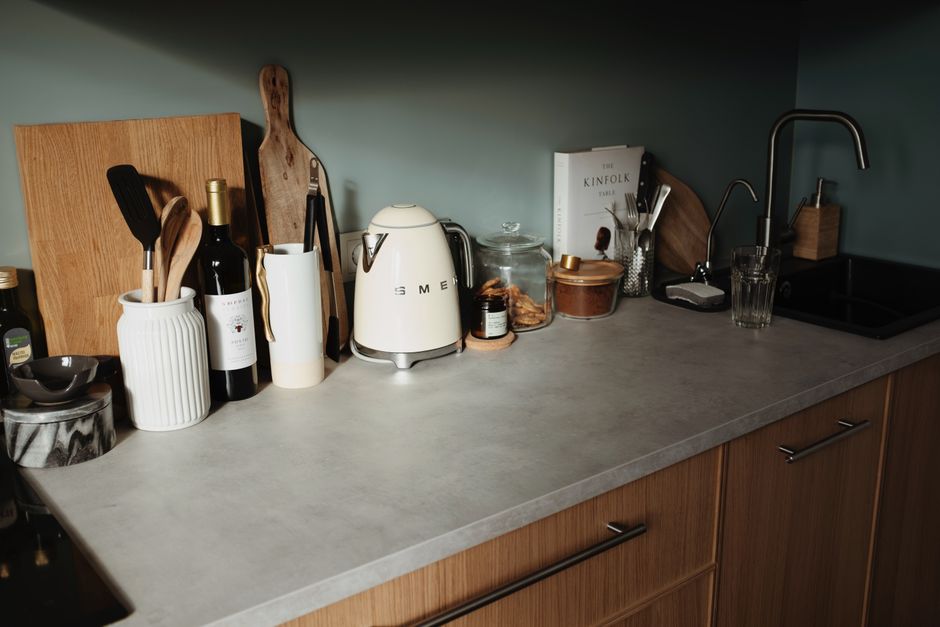
In the dim light of the hallway, just past the drop zone where backpacks and shoes pile up, a parent stands with a half-eaten breakfast in one hand and a phone in the other, scrolling through the day’s schedule. The planner remains closed on the table, untouched since last night, while the clock ticks closer to the morning rush. The kitchen counter is cluttered with dirty dishes, rendering it nearly impossible to prepare a proper lunch or even a quick snack. As the kids finish their breakfast, the chaos of the morning routine begins to unfold, revealing a familiar pattern of missed checks and last-minute scrambling.
Every small habit that could streamline this hectic morning seems to slip through the cracks. The alarm, set across the room, forces a hurried wake-up but doesn’t guarantee a smooth start. Instead of laying out clothes or packing lunches the night before, these tasks are left until the last minute, compounding the stress. The simple act of moving one step to the night before could create a smoother transition, yet it often gets overlooked amidst the rush. This small friction point—dirty dishes blocking the counter—highlights how easily good intentions can falter in the face of daily life’s demands.
The Morning Routine That Should Work
By 6:30 AM, the alarm blares from across the room, a necessary jolt to wake up and start the day. Ideally, the plan is to rise early, prepare a hearty breakfast, and pack the kids’ lunches before the chaos of the morning unfolds. The kitchen counter, however, is a battleground of dirty dishes and leftover snacks from last night, making it a challenge to even find a clean bowl for cereal. As the clock ticks, the intention to create a smooth morning routine begins to crumble.
In a perfect scenario, the night before would involve laying out clothes for the kids and prepping lunch items—sandwiches made, fruits packed, and snacks organized in a designated spot. Instead, the planner remains closed on the table, untouched and unhelpful. The frantic rush to gather everything needed for the day leads to forgotten items, with backpacks hastily stuffed and half-eaten breakfasts left behind. Each missed step adds to the stress, and the morning routine, instead of being a well-oiled machine, becomes a frantic scramble to leave the house on time.
To mitigate this, a small adjustment could be made: setting the coffee maker to brew automatically. This simple action can create a few precious moments of calm amidst the chaos, allowing for a quick breakfast while the coffee brews. However, without addressing the clutter on the counter, that moment of calm may still slip away, leaving the morning routine in disarray. The friction caused by dirty dishes not only clutters the space but also clutters the mind, illustrating how easily good intentions can derail when faced with the realities of daily life.
Where the Routine Crumbles First
This same friction shows up again in Everyday Life In The, especially when the day tightens unexpectedly.
The kitchen often reveals the first signs of a crumbling morning routine. Dishes piled high in the sink create a chaotic atmosphere, making it difficult to find space for breakfast prep. As the clock ticks closer to departure time, the lingering mess transforms the kitchen from a functional space into a source of stress. This clutter not only hampers physical movement but also clutters the mind, leading to a sense of urgency that can derail the entire morning.
Meanwhile, the planner sits closed on the table, a silent witness to the unfolding chaos. With tasks and appointments left unchecked, it’s easy to overlook important items needed for the day. This oversight compounds the morning's stress, as parents scramble to remember what was supposed to be packed. A small adjustment, such as opening the planner the night before and reviewing the next day’s agenda, could prevent this drift. However, if the planner remains untouched, the risk of forgetting crucial items grows, highlighting how one snag can spiral into a series of delays.
As the family rushes out the door, the combination of dirty dishes and an unreviewed planner signifies a breakdown in the daily reset. The intention to create a smooth morning routine is overshadowed by these friction points, demonstrating how easily good intentions can falter in the face of everyday life. Without addressing these specific issues, the morning routine remains vulnerable to chaos, making it clear that even small adjustments can have a significant impact.
One Small Change That Makes a Big Difference
A slightly different version of this problem appears in Daily Routines Real Life, where the sequence changes but the hidden drag feels familiar.
In the midst of a chaotic morning, the alarm clock buzzes, but it’s tucked away on the dresser, making it all too easy to hit snooze. Setting the alarm across the room forces a parent to physically get out of bed, breaking the cycle of hitting snooze. This simple act can shift the day’s momentum, prompting a more proactive start.
Meanwhile, the lunch packing ritual often gets overlooked, leading to frantic last-minute preparations. By moving this task to the night before, the kitchen counter can transform from a cluttered mess into a functional space. When the lunch containers are prepped and placed in the fridge, it eliminates one significant stressor in the morning routine. The combination of an out-of-reach alarm and a pre-packed lunch sets a more organized tone, allowing for smoother transitions as the family moves through their morning tasks.
However, if the planner remains closed on the table, the risk of forgetting essential items looms large. This oversight can lead to a scramble for the missing homework or the last-minute search for a water bottle. Each small change, like checking the planner and preparing lunches the night before, creates a ripple effect, enhancing the overall flow of the morning and reducing friction points that often derail good intentions.
Easier Mornings After the Shift
The kitchen counter transforms from a chaotic drop zone into a clean, inviting space when dirty dishes are cleared the night before. This simple act creates an environment where breakfast prep can happen seamlessly. Instead of maneuvering around stacks of plates and cups, the parent can easily access the toaster and coffee maker, streamlining the morning routine.
When the lunch containers are set out the night before and filled with healthy options, the morning rush becomes less frantic. Each container is placed in the fridge, ready to grab as the family heads out the door. This small habit not only saves time but also reduces the mental load of remembering what to pack. The planner, which often sits closed on the table, now gets opened and checked before bed, ensuring that no essential items are forgotten.
As the first work block approaches, the difference is palpable. With the kitchen tidy and the breakfast items prepped, the parent can enjoy a moment of calm with a cup of coffee, rather than scrambling to find missing homework or last-minute items. Each small adjustment leads to a smoother transition into the day, making weekday routines feel more manageable and less overwhelming.
As the evening winds down and the chaos of the day settles, the hallway drop zone often becomes a cluttered reminder of the morning’s rush. Dirty dishes pile up in the sink, making it hard to prep the breakfast area for the next day. This simple oversight can lead to a frantic morning, where the parent is left scrambling to find clean containers or utensils. By moving the task of unloading the dishwasher to the night before, the kitchen transforms into a functional space, ready for the next day’s routine.
With the planner opened and checked during dinner, essential items are noted and prepped. A quick glance at the schedule can reveal if lunch containers need to be filled or if there’s a need to set the alarm across the room to ensure an earlier start. These small adjustments, when consistently applied, can significantly alleviate the stress of weekday routines, making each morning feel less like a race and more like a manageable task.


